The 10 Most Scariest Things About 20 Ft Container
페이지 정보

본문
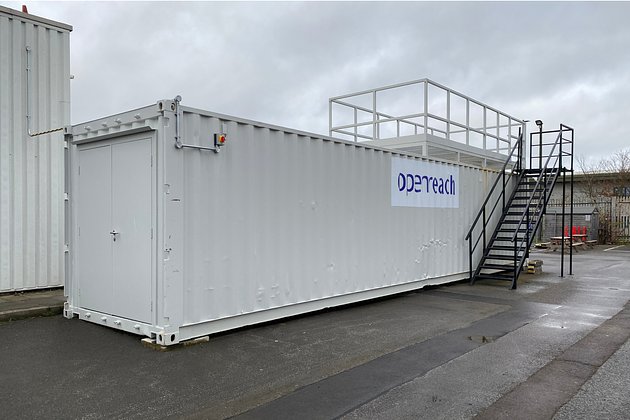 Comprehending the 20 ft Container: Adaptability and Utilizes
In a period of globalization and quick trade expansion, the shipping container has actually ended up being a linchpin in the logistics and transportation market. Among the various sizes offered, the 20 ft container sticks out for its flexibility and usefulness. This post dives deep into the features, utilizes, benefits, and numerous aspects surrounding the 20 ft container, using insights into why it is a preferred choice for numerous businesses and people alike.
What is a 20 ft Container?
A 20 ft container, also referred to as a twenty-foot equivalent unit (TEU), is a standardized shipping container that determines 20 feet in length, 8 feet in width, and 8.5 feet in height. This size is commonly utilized in global shipping and can accommodate a variety of cargo types. The container is generally made of steel, offering sturdiness and resistance against ecological factors, that makes it appropriate for long-distance transport.
Specifications of a 20 ft Container
Dimensions:
Length: 20 ft (6.058 meters).
Width: 8 ft (2.438 meters).
Height: 8.5 feet (2.591 meters).
Volume: Approximately 1,172 cubic feet (33.2 cubic meters).
Weight Capacity:.
Maximum gross weight: 24,000 kg (52,910 pounds).
Tare weight: 2,200 kg (4,850 lbs).
Maximum payload capacity: 21,800 kg (48,000 pounds).
Typical Uses of 20 ft Containers.
The 20 ft container serves a myriad of purposes, making it a versatile option for different sectors. Below are some typical applications:.
Shipping Goods: The main use of the 20 ft container is for the transport of goods by 20ft sea container. It is especially popular for international deliveries, storing everything from electronics to textiles.
Storage Solutions: Many organizations use 20 ft containers for onsite storage, taking advantage of their durability and security to keep excess inventory or equipment.
Modular Construction: With the growing trend of environment-friendly living, 20 ft containers are increasingly utilized in modular construction. They can be changed into property spaces, workplaces, and retail units.
Leisure Use: Some individuals repurpose 20 ft containers into distinct leisure areas such as male caverns, studios, or garden sheds.
Short-term Housing: In disaster-stricken locations or for momentary workforce real estate, 20 ft containers offer immediate and versatile services.
Mobile Business Ventures: Entrepreneurs are leveraging 20 ft containers to produce pop-up stores, food stalls, and portable offices.
Advantages of Using 20 ft Containers.
The 20 ft container is preferred for numerous factors. Some of the key advantages consist of:.
Cost-Effectiveness: Due to their standardized size, 20 ft containers enhance shipping expenses, permitting companies to transport items more financially.
Resilience: Constructed from robust materials, 20 ft containers can hold up against severe weather condition conditions, ensuring that the contents stay safe and protected.
Flexibility: The modular nature of containers offers limitless possibilities for customizations, making them ideal for various applications across various markets.
Relieve of Transportation: Their standardized size enables easier handling with cranes, forklifts, and trucks, contributing to efficient logistics.
Security: Containers are geared up to provide excellent security, reducing the risk of theft or damage throughout transport or storage.
Downsides of Using 20 ft Containers.
While there are numerous advantages, it is likewise crucial to acknowledge the restrictions associated with 20 ft containers:.
Minimal Capacity: For bigger deliveries or more bulky items, a 40 feet 20f container may be better, necessitating factor to consider of capacity requirements.
Transport Considerations: Moving a 20 ft container requires customized cars and devices, which might contribute to logistics costs depending upon the location.
Permanent Nature: When utilized as storage or living spaces, containers may need further improvement and permits for long-lasting usage.
Conclusion.
The 20 ft shipping container has actually become an important possession throughout various sectors, thanks to its flexibility, sturdiness, and cost-effectiveness. Whether utilized for carrying items, housing, or creative tasks, this container continues to adapt to the progressing requirements of people and companies alike. As international trade continues to expand and innovative usages for containers develop, the 20 ft container stays a cornerstone of contemporary logistics and building.
Frequently Asked Questions (FAQs).
1. What is the difference in between a 20 ft and a 40 ft container? A 20 ft container steps 20 feet in length, while a 40 feet container is twice that size. This distinction makes the 40 feet container preferable for larger deliveries, while the 20 ft container is ideal for smaller loads.
2. Can a 20 ft container be modified? Yes, 20 ft containers can be modified for different uses, consisting of developing windows, doors, electrical installations, and insulation for property or commercial needs.
3. How much does a 20 ft container weigh? The tare weight of a 20 ft container is roughly 2,200 kg (4,850 pounds), while the maximum gross weight it can deal with is around 24,000 kg (52,910 lbs).
4. Are 20 ft containers safe for storage? Yes, 20 ft containers are safe for storage. They are constructed from resilient materials and can be locked to provide adequate security for saved items.
5. How can I acquire or rent a 20 ft container? You can acquire or rent a 20 ft container from various custom shipping container and storage container companies, local distributors, or online markets focusing on containers. It is suggested to compare costs and services before making a decision.
- 이전글15 Gifts For The Legal Driver's License Online Lover In Your Life 25.04.24
- 다음글The 10 Scariest Things About Immobiliser Ghost 25.04.24
댓글목록
등록된 댓글이 없습니다.