Breaking the Language Barrier: Do AI Translation Earbuds Actually Work…
페이지 정보

본문
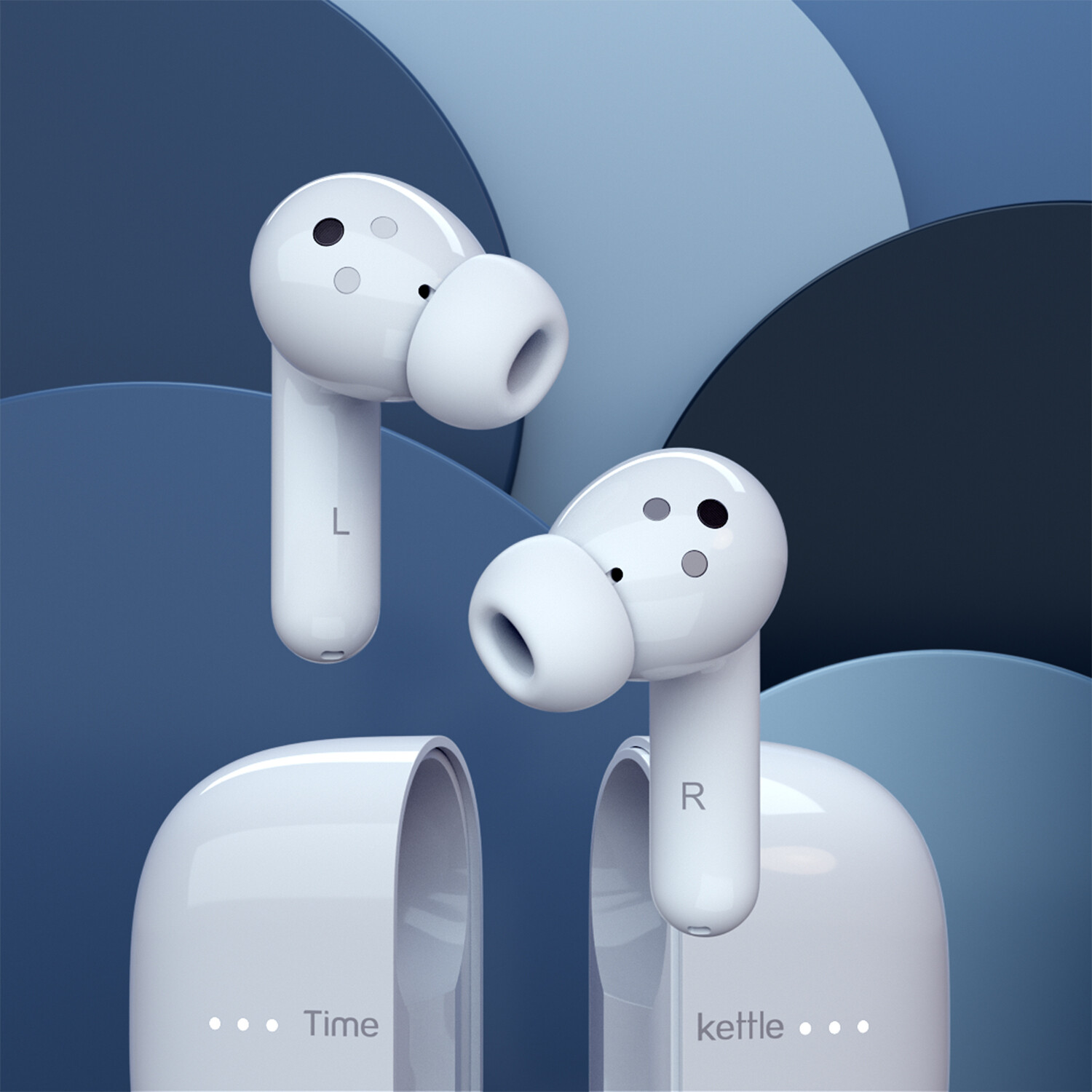
For many years, science fiction has promised us a "universal translator"—a machine that immediately turns alien or overseas tongues into clear, understandable speech. From the Babel Fish in The Hitchhiker’s Guide to the Galaxy to the Star Trek Universal Translator, the dream has all the time been the identical: seamless international communication.
At the moment, that dream is sitting on tech store shelves in the type of AI translation earbuds. Brands like Timekettle, Google, and Waverly Labs claim their units can make it easier to navigate a Tokyo market or a Parisian boardroom with out realizing a word of the local language.
But do they really work in the real world? Or are they just glorified Bluetooth headphones with a high value tag? Let’s dive into the truth of AI translation tech.
How Do They Work?
To know if they work, you first want to grasp the "magic" behind them. AI translation earbuds aren't really best translating Earbuds the sound waves themselves. Instead, they rely on a 3-step process:
- Speech-to-Text: The earbud microphone captures your voice and uses AI to transcribe it into textual content.
- Machine Translation: That text is distributed to a translation engine (like Google Translate or a proprietary neural community) to be transformed into the goal language.
- Textual content-to-Speech: The translated textual content is transformed back into audio and performed into the listener's ear.
Most of this occurs within the cloud, which implies your earbuds are often tethered to a smartphone app through Bluetooth.
The excellent news: The place They Shine
1. Incredible for Simple Transactions
If you're traveling and have to test into a resort, ask for instructions, or order a meal, AI earbuds are a sport-changer. They are significantly extra convenient than typing right into a telephone and passing it again and forth.
2. Hands-Free Interaction
The biggest "pro" is the natural feel. Fashionable earbuds, like the Timekettle WT2 Edge, offer "Simultaneous Mode," the place two folks each put on an earbud and communicate naturally. The AI handles the change within the background, allowing for eye contact and hand gestures that you’d lose in the event you had been staring at a display.
3. Speedy Improvement
Machine learning is getting better daily. Neural Machine Translation (NMT) has made translated sentences sound far more human and fewer "robotic" than they did even 5 years ago.
The fact Test: Where They Struggle
Regardless of the advertising movies, these devices aren't good. Listed below are the hurdles:
1. The "Awkward Pause" (Latency)
Even with 5G, there's a delay. You speak, wait 1–3 seconds for processing, and then the translation plays. This lag can make organic conversation feel a bit disjointed. It's not quite "real-time" yet.
2. Background Noise
AI earbuds rely on clear audio. In a noisy bazaar, a windy avenue, or a crowded subway, the microphones typically struggle to isolate your voice. If the "Speech-to-Text" step will get a word wrong, the complete translation fails.
3. Slang, Idioms, and Emotion
AI is nice at literal translation however terrible at sarcasm, cultural nuances, or native slang. Should you say, "That is the tea," a machine might assume you’re talking about a beverage moderately than gossip.
4. Dependency on Internet
Most earbuds require an information connection to entry the translation engines. Whereas some offer "offline packs," these are often less correct and cover fewer languages. If you are in a distant space with no sign, your costly translator turns into only a pair of headphones.
High Contenders in the market
If you’re looking to invest, these are the present leaders:
- Timekettle WT2 Edge: Widely thought of the gold customary for conversation. It provides bi-directional simultaneous translation, meaning both events can speak at the same time.
- Google Pixel Buds Pro: These integrate deeply with Google Translate. While nice for quick "Conversation Mode" bursts, they aren't as specialized for long-kind dialogue as Timekettle.
- Waverly Labs Ambassador: Designed for professionals, these are larger over-the-ear gadgets that excel in group settings or lectures.
The Verdict: Ought to You purchase Them?
Sure, if... You're a frequent international traveler, an expat living in a brand new country, or someone who steadily conducts simple enterprise transactions in overseas languages. They are an enormous step up from a phrasebook.
No, if... You count on a 100% flawless, "Star Trek" expertise. You should not use these for top-stakes legal negotiations or medical emergencies where each syllable counts.
Remaining Thought
AI translation earbuds do work, but they are a device, not a alternative for learning a language. They are perfect for building a bridge between two people who need to grasp each other. So long as you go in with real looking expectations about pace and noise, you’ll find them to be probably the most "futuristic" items of tech you'll be able to own.
Have you ever tried translation earbuds? Share your experiences—and your funniest translation fails—in the comments below!
- 이전글The Single Best Strategy To Use For Online Poker Revealed 26.01.19
- 다음글The Rise of Uono and Uonofun in the Online Casino World 26.01.19
댓글목록
등록된 댓글이 없습니다.